
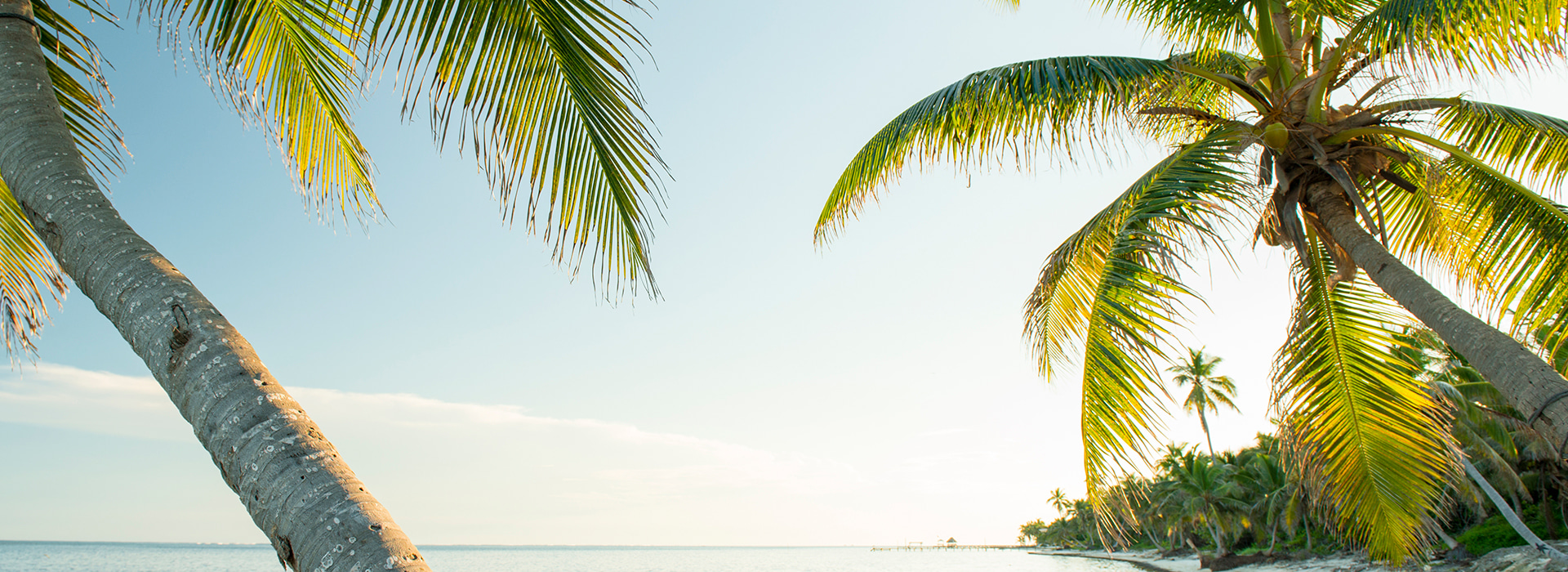
From the beaches of The Bahamas and Dominican Republic to the cultural energy of Jamaica and the natural landscapes of Dominica, the Caribbean continues to strengthen its position as one of the world’s most desirable tourism regions. Early 2026 figures suggest the momentum is continuing, building on another strong year for visitor arrivals.
Another Record-Setting Start
Across the Caribbean, tourism has moved beyond simply recovering from the disruption of the pandemic years. The industry is once again expanding, with visitor numbers reaching new highs and destinations investing heavily in accommodations, attractions, airports and cruise infrastructure.
The Caribbean Tourism Organization (CTO) estimates that international stay-over arrivals reached approximately 35 million in 2025, an increase of 2.5 percent, or roughly 900,000 visitors, compared with 2024. The previous year had itself been exceptionally strong, with 34.2 million international tourists visiting the region, 6.1 percent more than in 2023.
The upward movement has continued into 2026. During the first quarter, Caribbean destinations received an estimated 10 million international tourists, representing growth of approximately 3.9 percent compared with the same period of 2025. The CTO describes the result as a new first-quarter record and is projecting full-year stay-over growth of approximately three to four percent.
Cruise tourism has been expanding even faster. The Caribbean welcomed an estimated 35.5 million cruise visits in 2025, 5.2 percent above 2024 and almost 17 percent ahead of 2019. The Bahamas alone recorded 10.7 million cruise visits, making it the region’s leading cruise destination.
The Enduring Caribbean Appeal
Few tourism regions can match the diversity packed into the Caribbean. Its defining images—turquoise water, white-sand beaches and year-round warmth—remain powerful attractions, particularly for travelers escaping North American and European winters. But increasingly, visitors are looking beyond the beach.
From the rainforests and waterfalls of Dominica to the colonial architecture of Old San Juan, the music and cuisine of Jamaica, diving in Curaçao and the sophisticated resort markets of Aruba and The Bahamas, individual islands have developed distinct identities. Improved air connections, expanding hotel inventories and new cruise facilities are simultaneously making more of those destinations accessible.
The United States remains the region’s largest source of tourists, accounting for approximately 17 million Caribbean arrivals in 2025. One of the biggest changes, however, has come from South America, where arrivals surged 23.7 percent to approximately 2.4 million, illustrating how the Caribbean is gradually broadening its international customer base.
Tourism Heavyweights and Rising Destinations
The Dominican Republic remains one of the Caribbean’s tourism powerhouses. In 2024, the latest year for which the CTO provides a comprehensive destination ranking, it attracted approximately 8.5 million stay-over tourists. Jamaica followed with 2.9 million, while Cuba received 2.2 million, The Bahamas 1.9 million, Aruba 1.4 million and Puerto Rico approximately one million. Together, those six destinations represented roughly 56 percent of regional international arrivals.
Yet some of the most interesting growth is occurring beyond the traditional heavyweights. In 2025, Guyana, Dominica, St. Vincent and the Grenadines and Curaçao were among destinations recording particularly strong gains. More recent travel-demand data covering April 2025 through March 2026 showed demand for Dominica rising 22 percent and Sint Maarten increasing 18 percent.
Not every destination has moved in the same direction. Jamaica, for example, experienced a difficult end to 2025 following hurricane-related disruption, demonstrating how quickly weather events can affect an industry so central to Caribbean economies.
More Than a Post-Pandemic Rebound
The significance of the current tourism surge extends well beyond crowded beaches and busy airports. Tourism supports hotels, restaurants, transportation companies, tour operators, retailers, construction projects and thousands of small businesses throughout the islands.
The Caribbean therefore enters the remainder of 2026 from a position of considerable strength. Growth may be moderating from the dramatic rebound of earlier years, but record first-quarter arrivals suggest travelers have lost none of their appetite for the region.
For millions of visitors, the Caribbean continues to offer something difficult to replicate elsewhere: dozens of distinctive destinations within one extraordinary region, combining climate, culture, cuisine, history and some of the world’s most celebrated coastlines. That enduring appeal remains the foundation of the Caribbean tourism success story.