
Source: www.caribbean360.com, Editorial, First Published July 16th, 2026
On July 11, 2026, the government of Trinidad and Tobago signed three memorandums of understanding with US companies, marking what officials describe as the first agreements of this kind between American firms and a Caribbean nation. Foreign and Caricom Affairs Minister Sean Sobers signed on behalf of Prime Minister Kamla Persad-Bissessar’s administration.
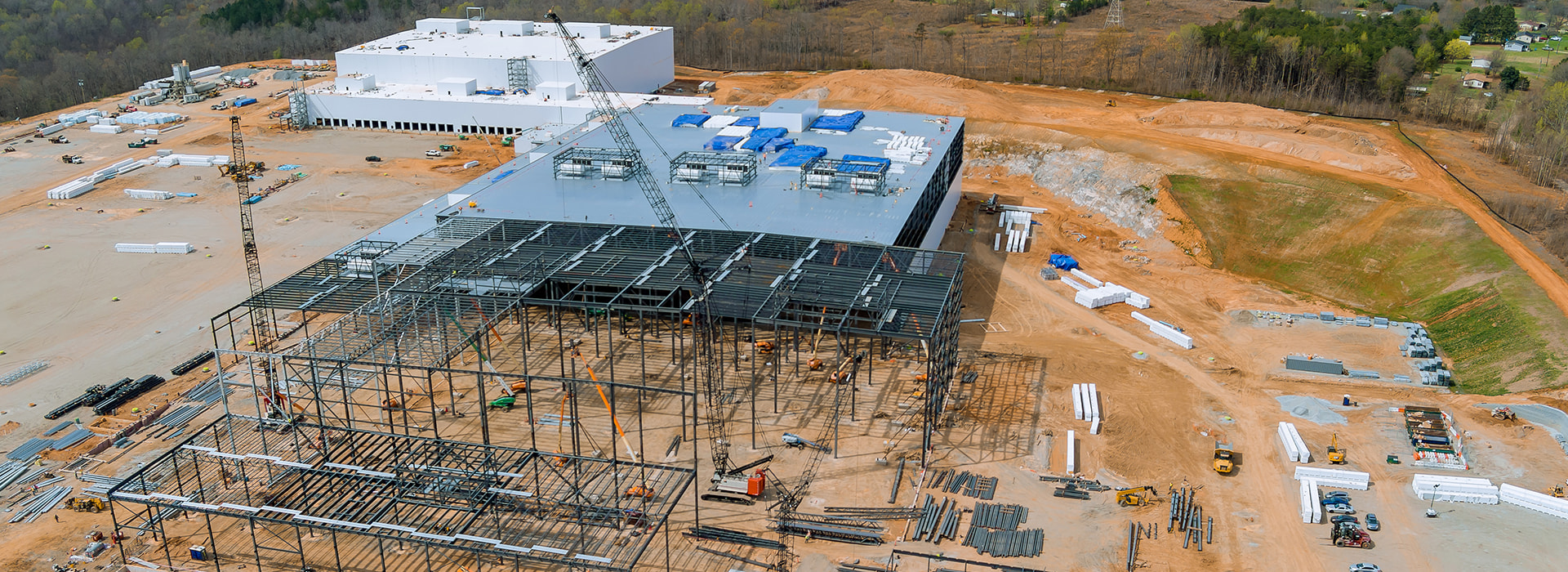
The first MOU, with New York-based Ernst & Young LLP, establishes a framework for developing a 300-megawatt data centre using EY’s Energy to Intelligence (E2I) platform, with the firm planning to partner with third-party developers on construction.
The second, with Florida-headquartered Hummingbird AI Holdings LLC, outlines a proposed 150 MW AI infrastructure and data centre facility — with capacity potentially expandable to 500 MW — and targets initial commercial operations as early as the first quarter of 2028, subject to due diligence.
A third MOU, signed with Pinnacle Steel and Vanadium Corporation alongside state entity PLIPDECO, covers the refurbishment and recommissioning of the iron and steel plant at Point Lisas, with ambitions to position Trinidad and Tobago as a supplier of vanadium to US aerospace and defence industries.
Collectively, the three projects are projected to attract investments exceeding US$5 billion and generate more than 5,000 jobs.
The US government is said to have played a facilitative role. Crucially, the MOUs are non-binding frameworks: no construction approvals, environmental permits, or final investment commitments have been issued.
If the projects clear due diligence and regulatory hurdles, Trinidad and Tobago could emerge as the Caribbean’s first large-scale AI and data centre hub, offering the region greater data sovereignty by allowing sensitive information to be stored closer to home rather than on overseas cloud servers.
The combined proposed capacity of up to 800 megawatts would represent a transformative shift in the country’s industrial profile.
However, the infrastructure requirements are substantial: data centre cooling alone can account for up to half of a facility’s total energy use, and the country’s water management challenges remain unresolved.