
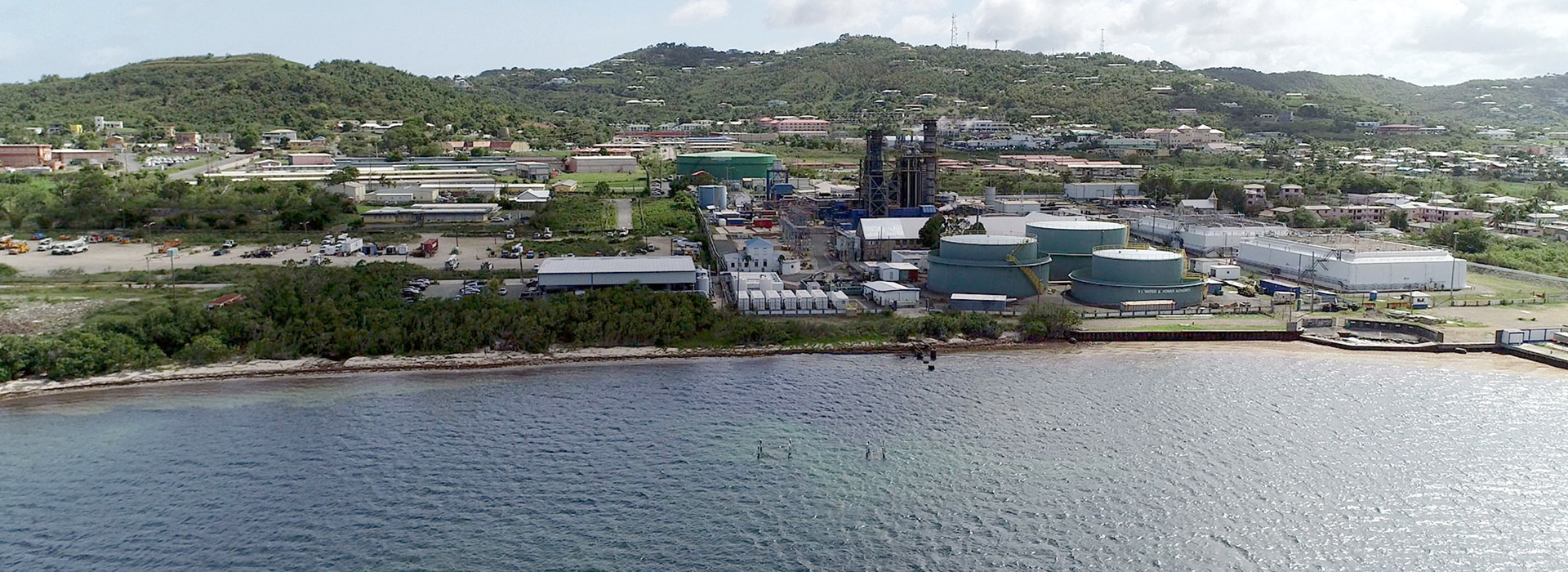
Water infrastructure needs can change over time, making flexibility an important consideration when communities decide how projects will be delivered.
Beyond Funding: Rethinking How the Caribbean Delivers Water Infrastructure
How Water Infrastructure Is Delivered Can Matter Just as Much as How It Is Funded
Caribbean leaders widely agree on the need for greater water and wastewater infrastructure investment, but the conversation often focuses heavily on financing. That can leave other important questions unanswered. Who will design, build, operate, and upgrade these systems? Will the infrastructure be built all at once, added in phases as demand grows, or paid for over time?
Funding determines whether a project can get started. Delivery determines whether infrastructure actually gets built, operated, and maintained. When the Caribbean Infrastructure Forum (CARIF) and Caribbean Water and Wastewater Association (CWWA) conferences bring decision-makers together this fall, delivery deserves as much attention as financing.
A More Complex Infrastructure Challenge
Many Caribbean islands are dealing with aging infrastructure and limited freshwater resources while tourism, housing, and commercial development are increasing demand. Climate risks add another layer to the challenge. Discharges of inadequately treated wastewater also threaten coastal environments that support tourism, fisheries, and livelihoods across the region. These aren’t just utility issues. Reliable water and wastewater systems also support jobs and the region’s ability to withstand and recover from storms and other disruptions.
Funding Is Only One Piece of the Puzzle
Many Caribbean island nations face high borrowing costs and limited public resources, making it difficult to move needed infrastructure projects forward. Even when funding is available, communities still need the technical capacity to operate and maintain increasingly advanced treatment systems over the long term.
Getting a project funded is an important milestone, but it doesn’t necessarily mean the project can move forward quickly. Procurement can take time, and governments may also have to balance a water or wastewater project against other demands on staff and public resources. Once a system is built, the community also has to be prepared to operate it for years to come. That means having qualified people in place, keeping up with maintenance, monitoring performance, and responding as treatment requirements or local needs change. Those responsibilities should be part of the conversation from the beginning, not addressed after the financing is in place.
Expanding the Infrastructure Toolbox
Traditional public delivery will remain the right choice for many projects. But it isn’t the only option. Public-private partnerships, build-own-operate arrangements, and Water-as-a-Service® can provide other ways to move projects forward when capital or procurement timelines create challenges. Leasing can work well for short-term or changing capacity needs, particularly when speed and flexibility are important.
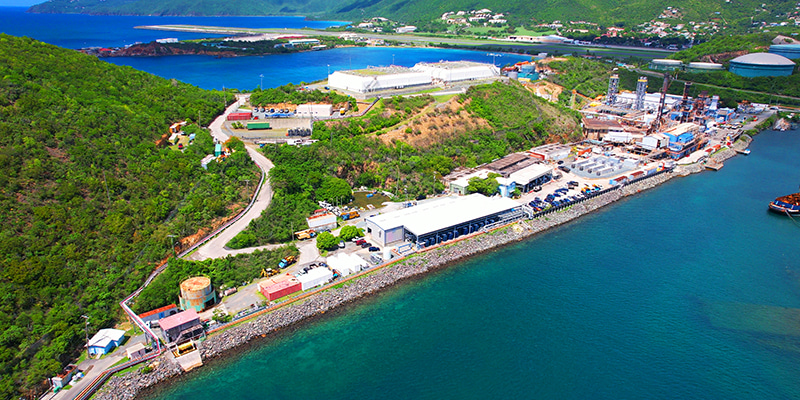
This desalination plant for the Harley power plant was the first facility of any kind to receive the USRC Gold Wind rating, awarded for its resilient structural design that minimizes the impact of high winds.
No single delivery model works for every project. The right choice depends on available funding, how quickly capacity is needed, who will own and operate the system, and the treatment requirements.
Seven Seas Water Group offers Water-as-a-Service®, bringing design, construction, operations, maintenance, and monitoring under one responsible partner. Founded in the U.S. Virgin Islands in 1997, Seven Seas grew out of the Caribbean’s water challenges and has operated across the region for nearly three decades.
The U.S. Resiliency Council awarded Seven Seas’ desalination plant in St. Thomas a Gold Wind rating, the first the organization has issued to any facility worldwide, along with a Silver Earthquake rating, making it the first certified resilient water treatment facility in the hurricane-prone Caribbean.
Infrastructure Delivery Is an Economic Development Strategy
If an island can get reliable water or wastewater capacity in place faster and keep it operating reliably, that supports hotel development, housing, businesses, industry, public health, and environmental protection. A hotel, housing project, or new business may be ready to move forward, but it still needs dependable water and wastewater service. When that capacity isn’t available, development can be delayed along with the jobs and investment that come with it.
That is why the way infrastructure is delivered matters beyond the water sector. The right approach depends on the project, but giving governments more options can help them meet capacity needs when traditional capital projects would take too long or put too much pressure on public resources.
Wastewater infrastructure also directly affects the coastal resources many Caribbean communities depend on. Better treatment can reduce harmful discharges to beaches and fisheries and, in some cases, create opportunities to reuse treated water for irrigation or other nonpotable needs.
The Next Regional Priority Is Delivery
The Caribbean knows it needs continued investment in water and wastewater infrastructure. The question is how to get more of those projects built and keep them performing over the long term. Funding will always be a major part of that conversation, but it can’t be the only part. As regional leaders gather this fall for CARIF and CWWA, how projects are delivered, operated, and maintained deserves a place in that discussion.
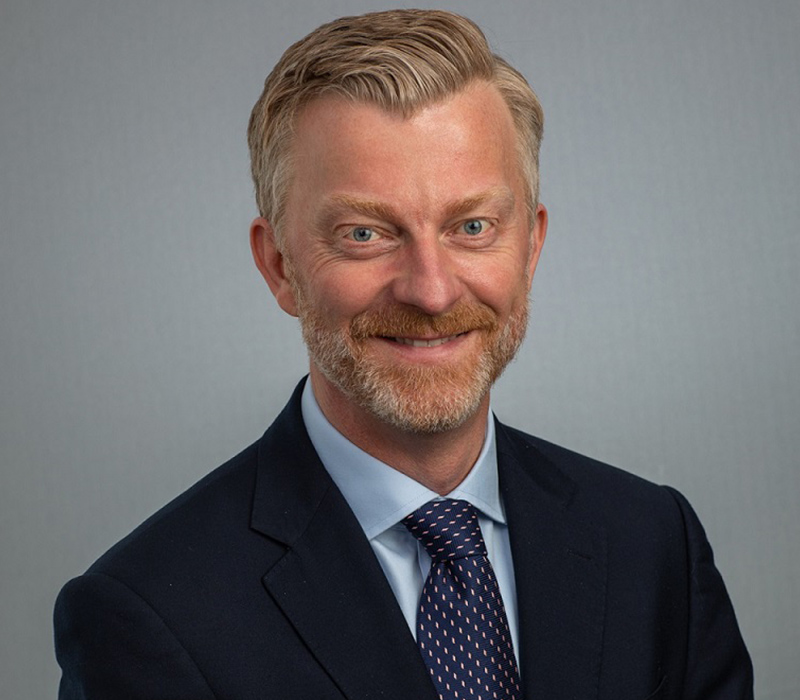
Erik Arfalk, Chief Growth Officer
Author Info
Erik Arfalk, Chief Growth Officer, Seven Seas Water Group
Erik Arfalk is Chief Growth Officer at Seven Seas Water Group, where he oversees business development and strategic growth by working with municipal and industrial customers to deliver reliable water and wastewater solutions.
Click The Cover To View Or Download The Brochure
AT A GLANCE
Who: Seven Seas Water Group
What: The company has built, owns, and operates more than 220 water and wastewater treatment plants, delivering reliable solutions to governmental, municipal, industrial, and hospitality customers. In addition to building new infrastructure, Seven Seas is actively acquiring and investing in existing water and wastewater treatment assets.
Where: Headquartered in Tampa and Houston, with operations across the United States, Caribbean, and Latin America.
Website: www.sevenseaswater.com
PREFERRED VENDORS/PARTNERS
Seven Seas Water Group : www.sevenseaswater.com
Seven Seas Water Group delivers Water as-a-Service® to governmental, municipal, industrial, and hospitality customers across the Americas and Caribbean. Founded in the U.S. Virgin Islands in 1997, the company owns and operates more than 220 water and wastewater treatment plants, bringing design, construction, operations, and maintenance together under one accountable partner
DIG DIGITAL?